Our food story

Our food story
Sustainable (but still delicious)
At Scout Adventures, we have an intimate connection to the outdoors. We've seen our seasons shift, our weather change and the wildlife on our centres diminish.
We know that to keep delivering inspiring adventures to young people, we need to protect and enhance both our local and global environment. So recently, we've been looking at ways to reduce our catering environmental footprint. We've made a commitment to follow these guidelines, and we're looking for new ways to be even more sustainable too.
We believe that all of us can make a difference, both as individuals and as Scout Adventures.
Meat free meals
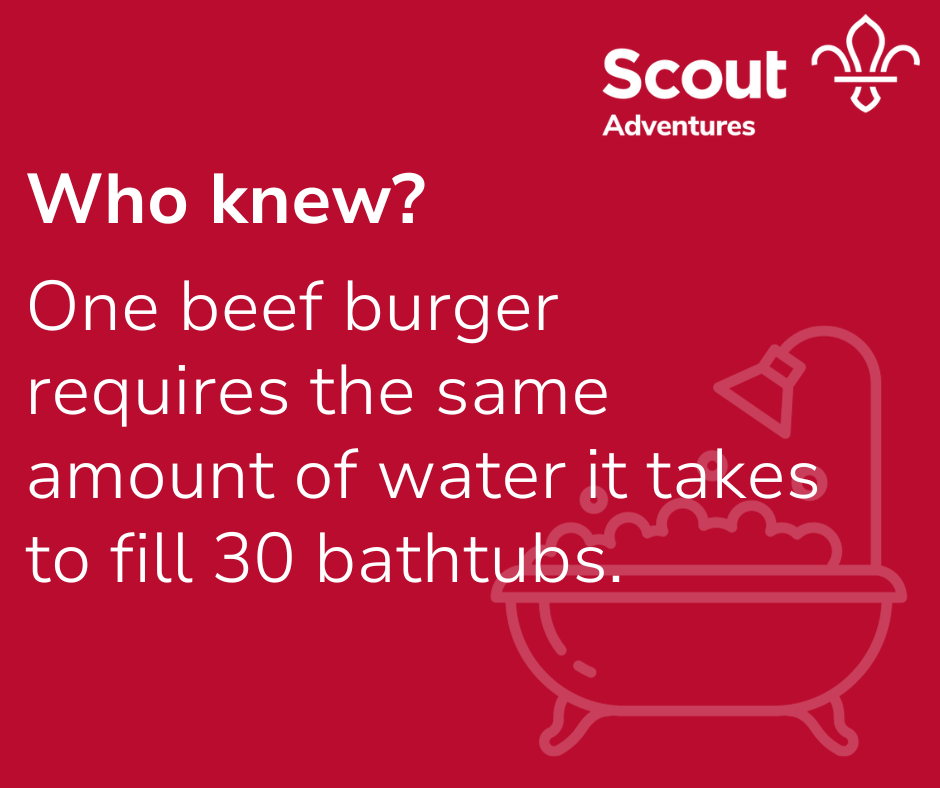
Meat is a good source of protein, vitamins and minerals, sure - but it has a huge environmental impact, with the United Nations estimating that 14 - 18% of global greenhouse gas emissions are produced by animal agriculture.
From 2024, we're striving to have one in three meals meat-free (vegetarian or fish-based). This could be breakfast, lunch or dinner. We're also aiming for at least one dinner in three to be meat-free, or two dinners during a week-long visit.
Ethically sourced
We might be reducing the amount of meat we use, but we're looking at increasing the quality where we can.
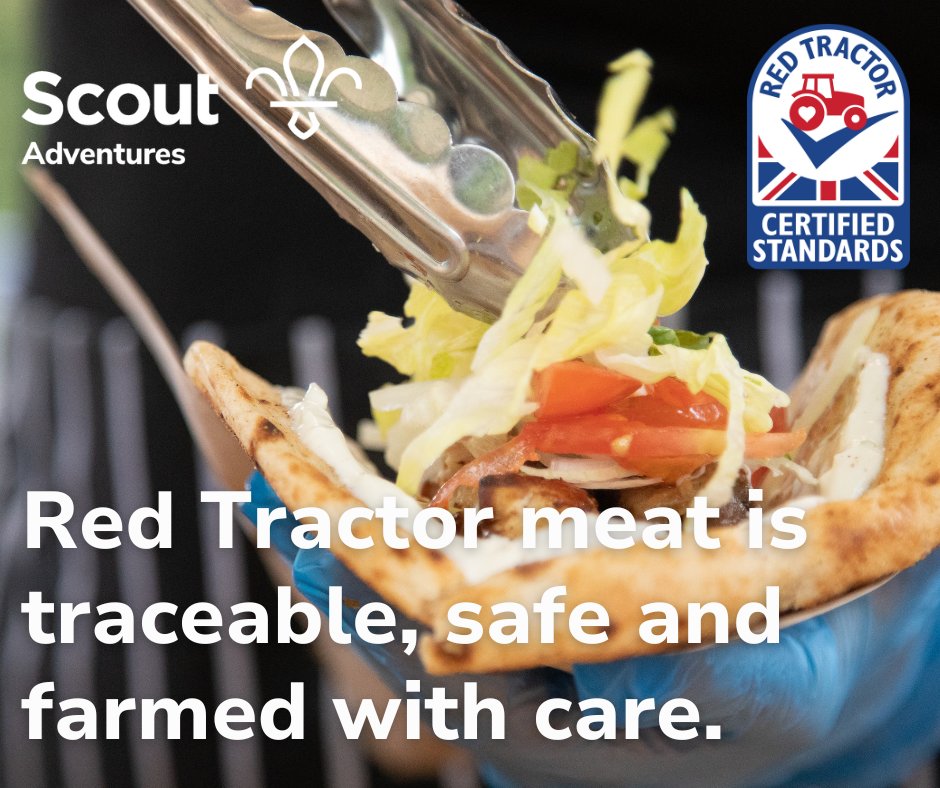
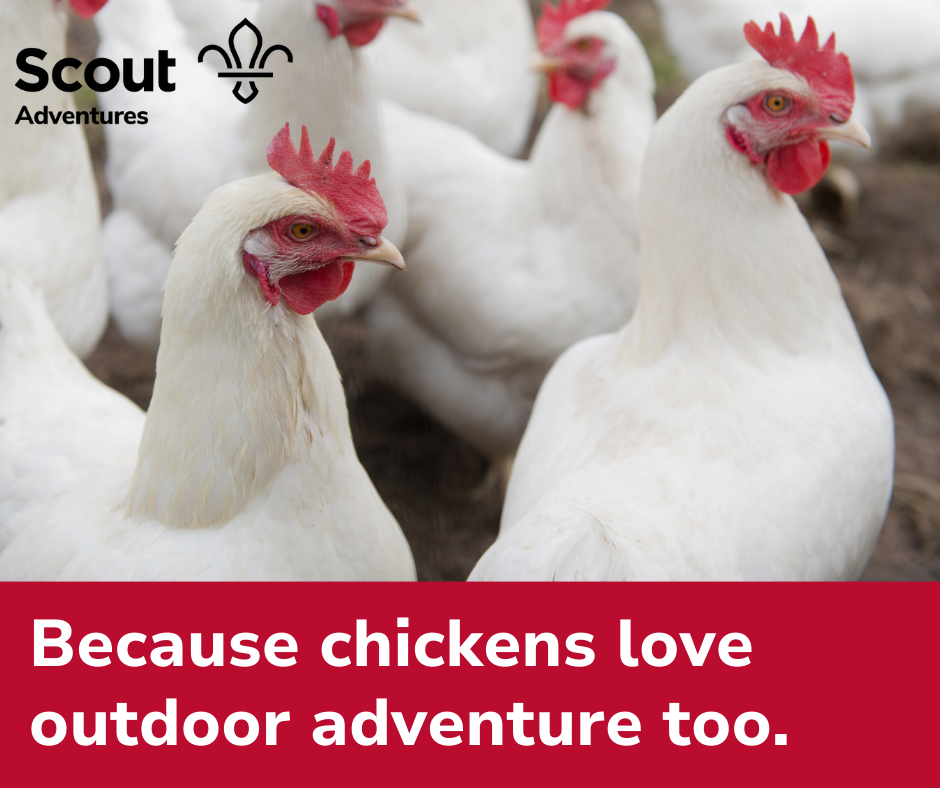
We're trying our best to use meat and eggs that have been responsibly sourced, safely produced and come from animals that have been well cared for. It's good for you, and good for British farmers too.
Wherever possible, we will always buy free-range eggs and Red Tractor accredited meat.
Enjoy seasonality
We order local, seasonal fruit and vegetables wherever we can. This reduces our food miles and supports British growers. It adds variety to our meals, sparks conversations with young people, and grounds what we do.
Frozen food isn't a dirty term. We're proud to use frozen fruits and vegetables when they're out of season. Produce frozen quickly at the source retains it's nutrients, reduces waste and allows us to provide meals that are still attractive to young people to help them eat the rainbow.
Giving packaging a second life
At the moment, we occasionally use disposable packaging. For example, for groups who'd like their lunch to take away off-site. We encourage other options and use alternatives as far as we can.
Where we do use disposable food packaging, we make sure it's biodegradable, compostable or recyclable.
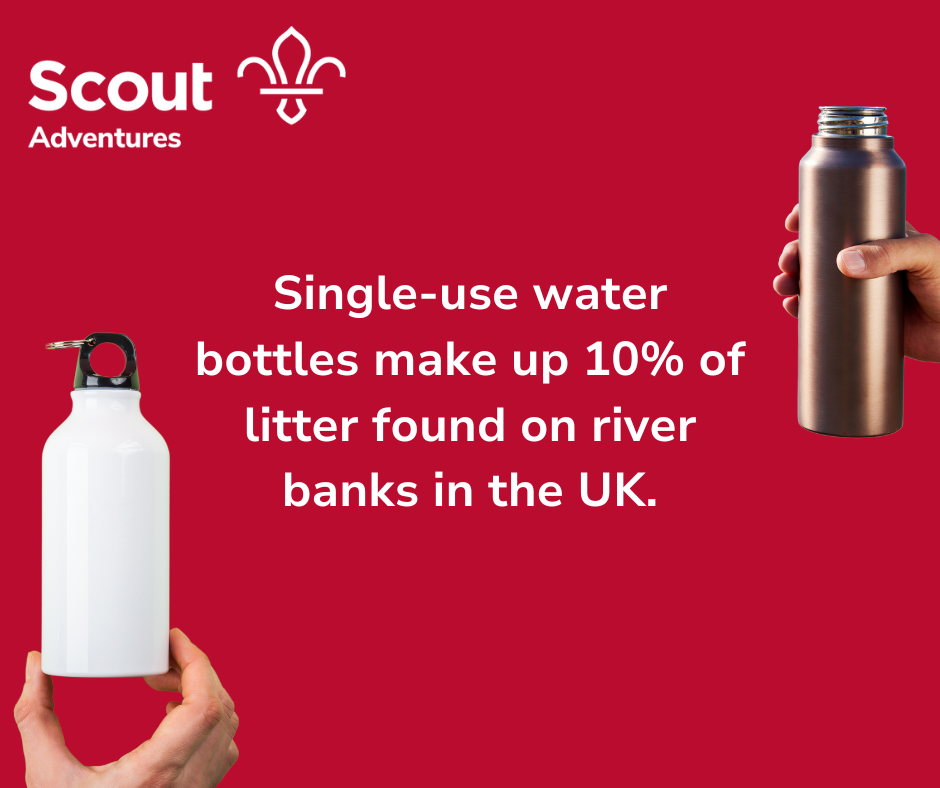
We encourage our groups and staff to use alternatives to single-use plastic - for example, by using reusable water bottles and mugs at our drinks stations.